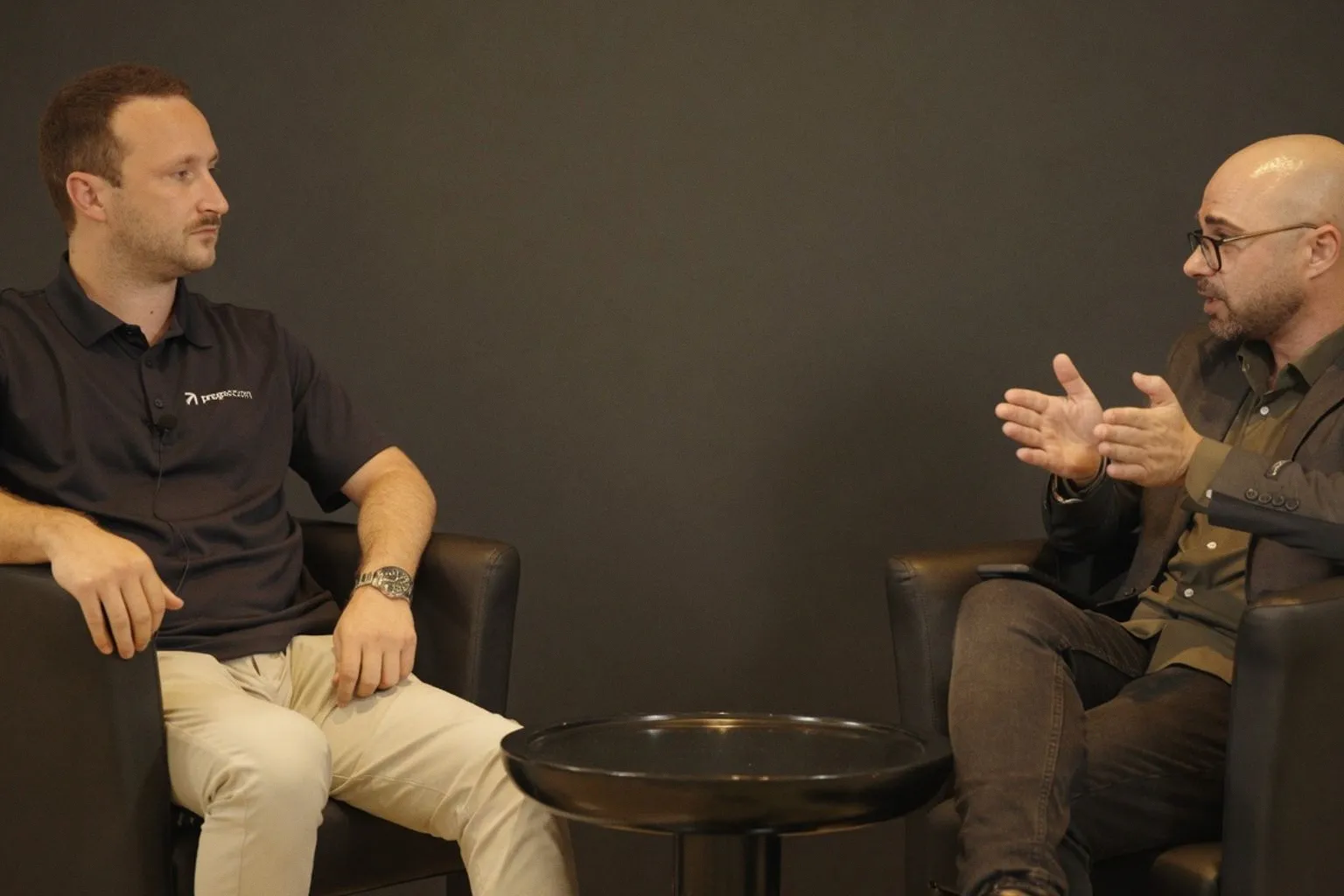
From Chat to Buy Order: RoboForex Puts Full Trading Inside Telegram
RoboForex has folded its full MobileTrader suite into Telegram as a Mini App, letting clients open accounts, route orders, monitor positions, and access copy trading without ever leaving the messaging interface.
What the integration actually delivers
The Mini App mirrors the functionality of RoboForex's existing MobileTrader platform: account management, live charts, an economic calendar, personalised alerts, and market analytics. Deposits and withdrawals are supported, with zero-commission withdrawals promoted on three Tuesdays per month. Copy trading is built in, with the broker claiming access to "one of the industry's largest copy-trading communities." Douglas Abreu, Regional Operations Manager at RoboForex, framed the launch as removing friction between communication and execution — making trading "as natural as sending a message."
RoboForex is not the first broker to enter Telegram's Mini App ecosystem. NAGA was the first CFD broker to launch a Telegram Mini App and later reported the channel contributed 8 percent of new client acquisition. Libertex followed with a fully functional trading app. TradingView released a chart-only Telegram Mini App without direct trading functionality. On the crypto side, Blum launched solely as a Telegram Mini App and reported daily trading volume of $250 million.
The compliance ledger, weighed against the marketing
The structural concern sits at the licensing layer. RoboForex operates from Belize, outside the perimeter of MiFID II's retail client protections, the FCA's Conduct of Business rules, and ASIC's leverage and disclosure regime. A Mini App distribution model means a retail user can be onboarded, funded, and exposed to leveraged CFDs without the regulatory hooks that typically attach to a broker's primary domain — an instance of regulatory arbitrage executed through interface design rather than licensing substitution.
The surrounding platform context compounds the exposure. Telegram has surpassed 1 billion monthly users and 450 million daily active users, and a 2024 study found that more than 60 percent of targeted traders who interacted with Telegram trading groups reported financial losses, with clone scams impersonating known brands and signal providers cited among the recurring patterns. Placing a full broker terminal inside the same surface where those scams operate is not a neutral architectural choice, and the client fund segregation arrangements that govern the entity behind the Mini App are the only structural safeguard that travels with the product.
The shift — financial products absorbed into interfaces that carry no financial-services framing — is the same structural pattern analysts now describe as embedded finance at scale: the app boundary no longer signals a regulated environment to the user, and the burden of verification shifts entirely onto the retail client.
What to verify before funding the account
The due diligence hierarchy does not change simply because the entry point is a chat window. Confirm the exact legal entity holding client funds and whether it sits under any tier-1 regulator — CySEC, FCA, or ASIC. Read the client fund segregation clause in the Terms of Service in full, paying particular attention to which jurisdiction's insolvency regime applies if the entity fails. Treat the zero-commission withdrawal promotion as marketing copy that says nothing about counterparty risk on the other six days, and document actual processing times outside the promotional window.
On copy trading specifically, identify whether signal providers are vetted by the broker or merely hosted, and whether the contractual relationship creates a fiduciary duty toward the follower or a referral arrangement that leaves execution liability entirely with the user. Where the answer is the latter, the copy-trading feature should be read as a marketing layer over an unregulated signal ecosystem — not as a risk-shifting mechanism.